
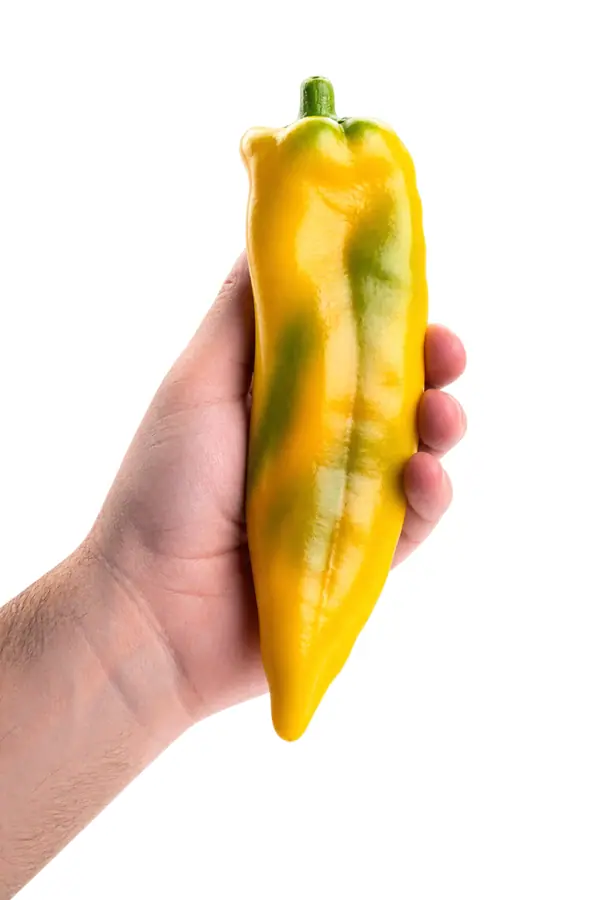
Sweet Peppers · Greenhouse Grown
Yellow pepper Sweet Palermo®
Deep yellow, crunchy, and delicately sweet. Raw in a salad, it adds color to the dish; cooked, it becomes soft and fragrant.
- Origin
- Vittoria (RG), Sicily
- Variety
- Sweet Palermo®
- Average weight
- 125 g
- Size
- 80–120 mm
- Flavour
- Delicately sweet
- Cultivation
- In the greenhouse
- Family
- Solanaceae
- Packaging
- 500 g tray or loose in a carton
Available from January to June
- January
- February
- March
- April
- May
- June
- July
- August
- September
- October
- November
- December
In the kitchen
Raw in salads, baked, in peperonata or blended into a cream.
When raw, cut it into thin strips after removing the stem, seeds, and white filaments: it remains crunchy and adds color to the salad. In the oven, a drizzle of oil and a pinch of salt are all you need.
How sweet is it, raw or cooked?
It's delicately sweet. Raw, it remains crunchy and adds color to the dish; cooked, it becomes soft and fragrant.
How to choose and store it
Choose a firm pepper with a shiny, taut skin and a green stalk. If the skin is wrinkled, it was picked a while ago.
Store it in the refrigerator, in the bottom drawer, and consume it within a few days. Wash it only before using it.
Same plant as the chilli, but sweet
Sweet peppers and chilli peppers are the same plant species, which botanists call Capsicum annuum. The heat comes from a substance, capsaicin, which chilli peppers produce and sweet peppers do not.
The difference is largely due to a single gene: it doesn't work in sweet peppers, and capsaicin isn't produced. This is why our yellow pepper is sweet from the first bite to the last, even near the seeds.
Yellow or green: what's the difference?
The yellow variety is delicately sweet and is delicious both raw and cooked. The green variety is harvested before it changes color: it has a fresher flavor, with herbaceous notes, and is excellent sautéed or fried.
Comparison Technical data sheet (PDF)
The five colours of Sweet Palermo® side by side
Sweet Palermo® is a long, sweet pointed pepper, the kind often sold as romano pepper. We grow it in five colours, in greenhouses in Vittoria: below you'll find the differences.
| Colour | Flavour | Flesh | Raw or cooked | In the kitchen |
|---|---|---|---|---|
| Red | FlavourSweet | FleshThick | Raw or cookedBetter cooked | In the kitchenRoasted, stuffed, sweet and sour, with breadcrumbs |
| Yellowthis page | FlavourDelicately sweet | FleshCrispy | Raw or cookedRaw or cooked | In the kitchenSalad, baked, peperonata, cream |
| Green | FlavourFresh, with herbaceous notes | FleshFirm | Raw or cookedBetter cooked | In the kitchenPan-fried, fried, stuffed, grilled |
| Chocolate | FlavourVery sweet | FleshThin and crunchy | Raw or cookedRaw or cooked | In the kitchenSalad, dip, grill, roast |
| Orange | FlavourVery sweet, almost fruity when roasted | FleshCrispy and juicy | Raw or cookedRaw or cooked | In the kitchenPinzimonio, salad, roasted with oil and oregano |
Peppers of all colours weigh an average of 125 g, with a size of 80 to 120 mm, and we harvest them from January to June.
Questions
Questions about yellow pepper Sweet Palermo®
What is the difference between the colors?
The color depends on the variety and how long the pepper stays on the plant. Green peppers are harvested before they change color, giving them a fresher flavor with herbaceous notes. The other peppers stay on the plant until they develop their color and become sweeter.
How is it different from an ordinary pepper?
An ordinary pepper, the large, square kind, has thick flesh. The Sweet Palermo® is elongated, with thinner, crispier flesh and very few seeds. The yellow one is also sweeter: raw, it's excellent in salads.
Are peppers easy to digest?
The hardest part to digest is the skin. If it bothers you, roast it, put it in a covered bowl for 10 minutes, and then peel it; also remove the seeds and white pith.
Many people digest cooked, peeled peppers better than raw ones.
Can it be eaten raw?
Yes. It's crunchy and delicately sweet: cut thinly into strips, it's perfect for salads and dips. First, remove the stalk, seeds, and white filaments.
How much does it weigh and how is it sold?
On average, 125 g, with a size ranging from 80 to 120 mm. Available in 500 g trays or loose in cartons.
In which months is it available?
From January to June. In summer our greenhouses rest, so we don't harvest it from July to December.
How do you clean it?
Rinse it under water, cut off the stalk and cut it in half. Remove the seeds and white filaments, then cut it into strips, slices or cubes, according to the recipe.
Can it be frozen?
Yes, even raw. Clean and slice them, then place them in freezer bags. Thawed, they lose some of their crunch, so use them cooked: pan-fried, baked, or in peperonata. You can also freeze roasted and peeled peppers.
Where can you buy it?
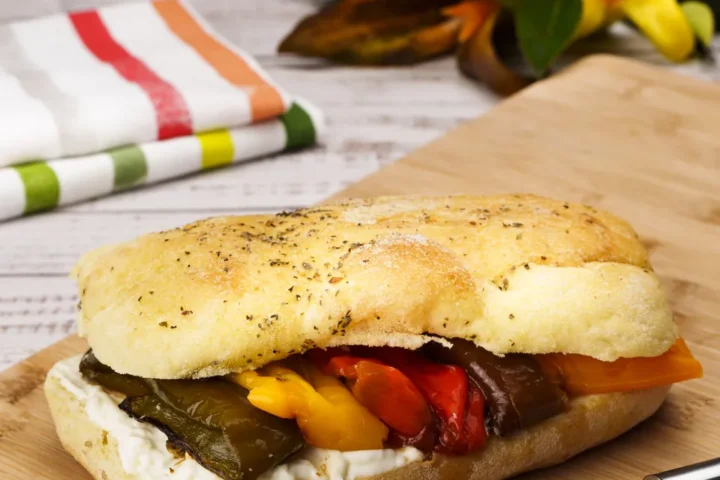
Panozzi with stracchino and Sweet Palermo
Toasted bread with stracchino cheese and strips of grilled Sweet Palermo peppers, seasoned with oil, salt and oregano. Serve hot as a starter or for a quick dinner.
Read the recipe →
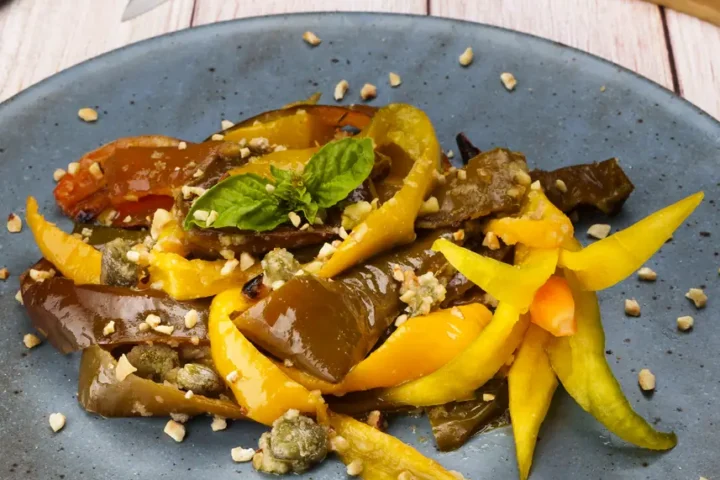
Peperoni ammollicati with almonds
Ammollicati means topped with breadcrumbs: Sweet Palermo peppers cooked in a pan and covered with toasted breadcrumbs, almonds, capers and a drizzle of vinegar. Serve warm or cold.
Read the recipe →
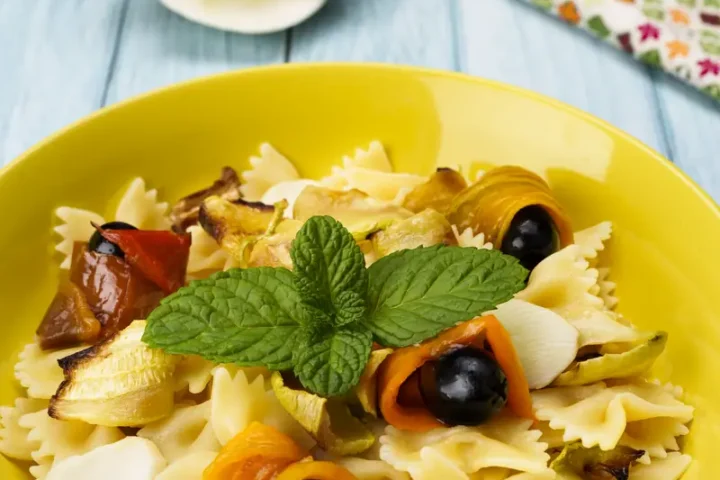
Cold farfalle with grilled vegetables and smoked scamorza
Cold pasta with purple aubergine, zucchini, and grilled Sweet Palermo peppers, black olives, basil, and smoked scamorza. It's ready in under an hour and is perfect for hot days.
Read the recipe →
The other peppers
Five colours, five flavours
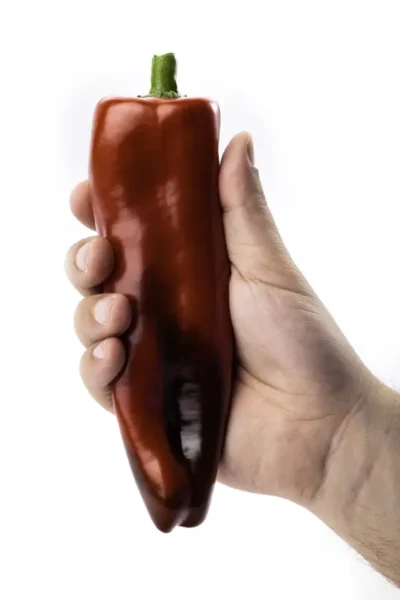
Red pepper Sweet Palermo®
Sweet and fleshy. Roasted, stuffed, or topped with almonds and breadcrumbs.
Roasted
Stuffed
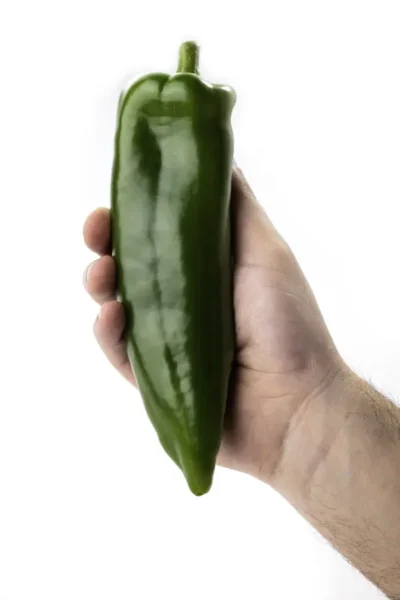
Green pepper Sweet Palermo®
Harvested before it changes colour, it has a fresher flavour. Delicious fried.
Fried
Side dishes

Chocolate pepper Sweet Palermo®
When ripe, the skin turns brown and the flavor becomes fuller. Roasted, it really stands out.
Roasted
Salads

Orange pepper Sweet Palermo®
Sweet and juicy. Raw with dips or roasted with a drizzle of oil.
Raw
Roasted