
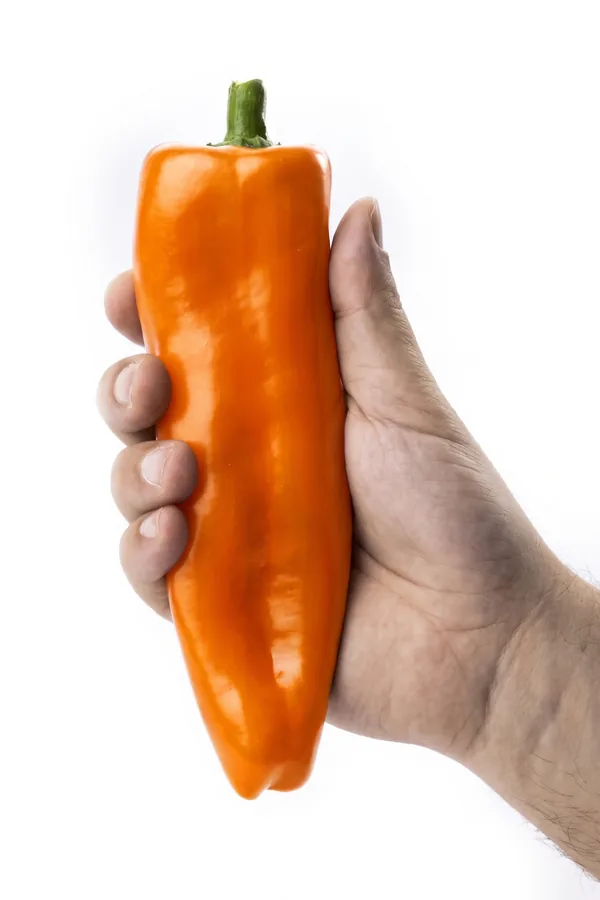
Sweet Peppers · Greenhouse Grown
Orange pepper Sweet Palermo®
Bright orange, crunchy, and very sweet. Raw, it adds color to salads and dips; roasted, it becomes soft and almost fruity.
- Origin
- Vittoria (RG), Sicily
- Variety
- Sweet Palermo®
- Average weight
- 125 g
- Size
- 80–120 mm
- Flavour
- Very sweet
- Cultivation
- In the greenhouse
- Family
- Solanaceae
- Packaging
- 500 g tray or loose in a carton
Available from January to June
- January
- February
- March
- April
- May
- June
- July
- August
- September
- October
- November
- December
In the kitchen
Raw in strips with dips or in a salad, roasted with oil and oregano, in peperonata with the other colours, or blended into a cream.
For a colorful peperonata, combine it with the red and yellow ones: cut them into strips and cook them in a pan with a drizzle of oil and an onion, over medium heat, until soft.
How sweet is it, raw or cooked?
It's very sweet. Raw, it's crunchy and juicy; roasted, it becomes soft, with an almost fruity flavor.
How to choose and store it
Choose a firm pepper with a shiny, taut skin and a green stalk. If the skin is wrinkled, it was picked a while ago.
Store it in the refrigerator, in the bottom drawer, and consume it within a few days. Wash it only before using it.
Where does the orange colour come from?
The orange comes from carotenoids, natural pigments that also colour carrots and apricots. A pepper starts out green: as it ripens on the plant, the green fades and these pigments take its place.
Among the carotenoids is beta-carotene, which our body converts into vitamin A.
Orange or red: what's the difference?
The orange pepper is very sweet and crunchy, delicious raw or roasted. The red pepper is meaty: it's the pepper for roasting, stuffing, or making sweet and sour.
Comparison Technical data sheet (PDF)
The five colours of Sweet Palermo® side by side
Sweet Palermo® is a long, sweet pointed pepper, the kind often sold as romano pepper. We grow it in five colours, in greenhouses in Vittoria: below you'll find the differences.
| Colour | Flavour | Flesh | Raw or cooked | In the kitchen |
|---|---|---|---|---|
| Red | FlavourSweet | FleshThick | Raw or cookedBetter cooked | In the kitchenRoasted, stuffed, sweet and sour, with breadcrumbs |
| Yellow | FlavourDelicately sweet | FleshCrispy | Raw or cookedRaw or cooked | In the kitchenSalad, baked, peperonata, cream |
| Green | FlavourFresh, with herbaceous notes | FleshFirm | Raw or cookedBetter cooked | In the kitchenPan-fried, fried, stuffed, grilled |
| Chocolate | FlavourVery sweet | FleshThin and crunchy | Raw or cookedRaw or cooked | In the kitchenSalad, dip, grill, roast |
| Orangethis page | FlavourVery sweet, almost fruity when roasted | FleshCrispy and juicy | Raw or cookedRaw or cooked | In the kitchenPinzimonio, salad, roasted with oil and oregano |
Peppers of all colours weigh an average of 125 g, with a size of 80 to 120 mm, and we harvest them from January to June.
Questions
Questions about the orange pepper Sweet Palermo®
What is the difference between the colors?
The color depends on the variety and how long the pepper stays on the plant. Green peppers are harvested before they change color, giving them a fresher flavor with herbaceous notes. The other peppers stay on the plant until they develop their color and become sweeter.
How is it different from an ordinary pepper?
An ordinary pepper, the large, square kind, has thick flesh. Sweet Palermo® has an elongated shape, thinner, crispier flesh, and very few seeds. The orange one is also sweeter and juicier: raw, it's excellent with dips.
Are peppers easy to digest?
The hardest part to digest is the skin. If it bothers you, roast it, put it in a covered bowl for 10 minutes, and then peel it; also remove the seeds and white pith.
Many people digest cooked, peeled peppers better than raw ones.
What does an orange pepper taste like?
It's very sweet and juicy. Raw, it's crunchy: cut into strips, it's perfect for dips and salads. Roasted, it becomes soft, with an almost fruity flavour.
How much does it weigh and how is it sold?
On average, 125 g, with a size ranging from 80 to 120 mm. Available in 500 g trays or loose in cartons.
In which months is it available?
From January to June. In summer our greenhouses rest, so we don't harvest it from July to December.
How do you clean it?
Rinse it under water, cut off the stalk and cut it in half. Remove the seeds and white filaments, then cut it into strips, slices or cubes, according to the recipe.
Can it be frozen?
Yes, even raw. Clean and slice them, then place them in freezer bags. Thawed, they lose some of their crunch, so use them cooked: pan-fried, baked, or in peperonata. You can also freeze roasted and peeled peppers.
Where can you buy it?
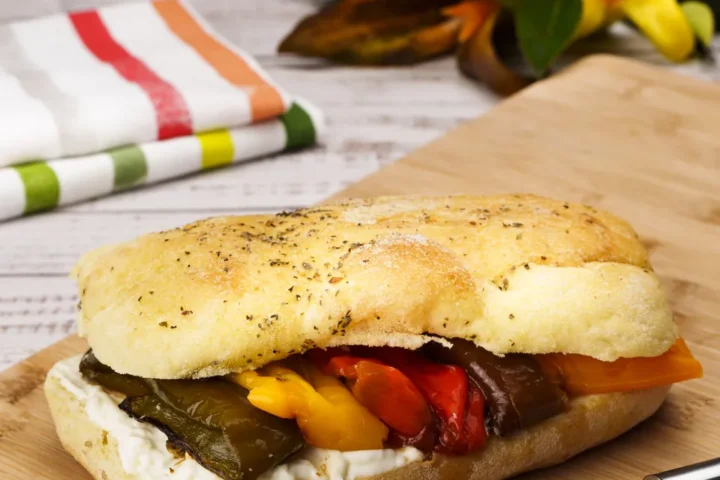
Panozzi with stracchino and Sweet Palermo
Toasted bread with stracchino cheese and strips of grilled Sweet Palermo peppers, seasoned with oil, salt and oregano. Serve hot as a starter or for a quick dinner.
Read the recipe →
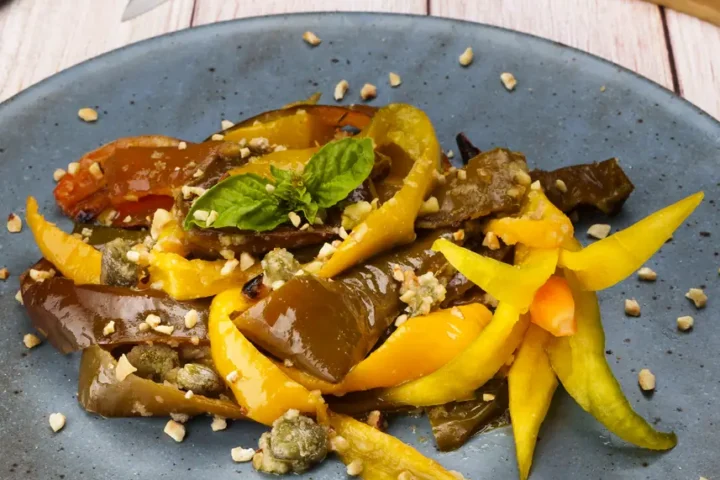
Peperoni ammollicati with almonds
Ammollicati means topped with breadcrumbs: Sweet Palermo peppers cooked in a pan and covered with toasted breadcrumbs, almonds, capers and a drizzle of vinegar. Serve warm or cold.
Read the recipe →
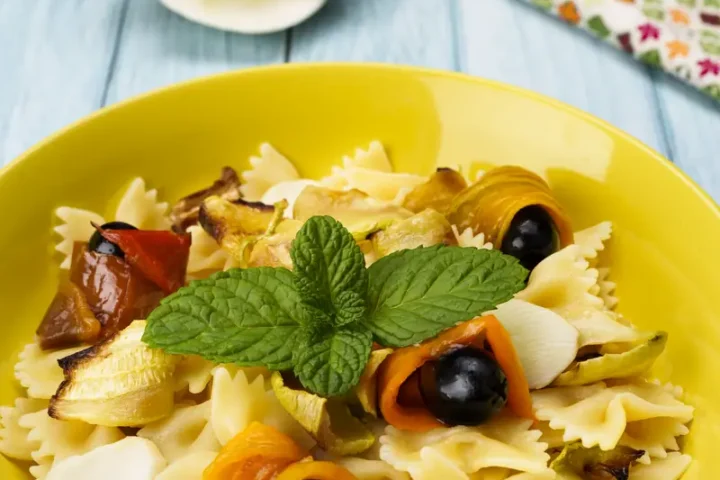
Cold farfalle with grilled vegetables and smoked scamorza
Cold pasta with purple aubergine, zucchini, and grilled Sweet Palermo peppers, black olives, basil, and smoked scamorza. It's ready in under an hour and is perfect for hot days.
Read the recipe →
The other peppers
Five colours, five flavours
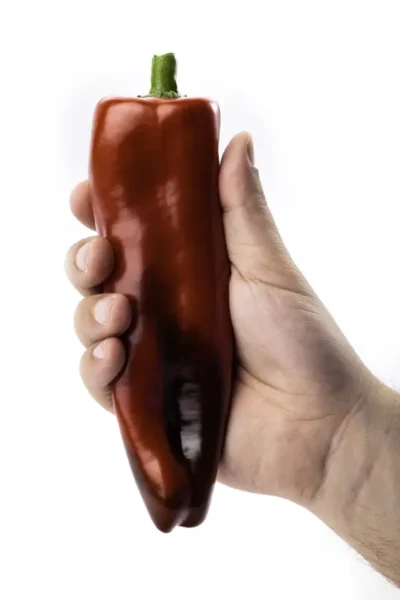
Red pepper Sweet Palermo®
Sweet and fleshy. Roasted, stuffed, or topped with almonds and breadcrumbs.
Roasted
Stuffed
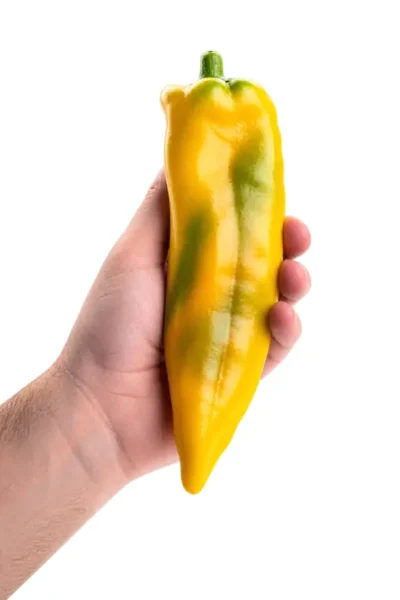
Yellow pepper Sweet Palermo®
Sweet and crunchy. Raw in a salad or pan-fried with a drizzle of oil.
Raw
Pan-fried
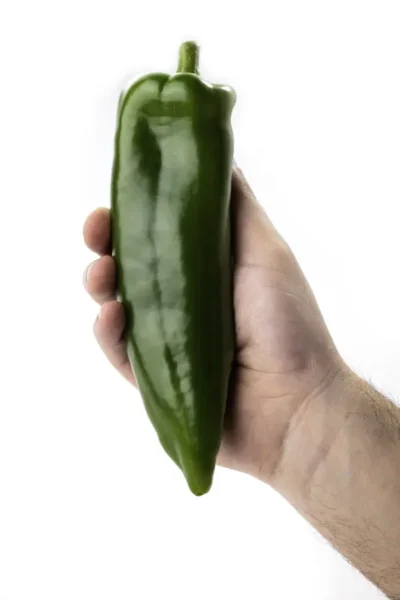
Green pepper Sweet Palermo®
Harvested before it changes colour, it has a fresher flavour. Delicious fried.
Fried
Side dishes

Chocolate pepper Sweet Palermo®
When ripe, the skin turns brown and the flavor becomes fuller. Roasted, it really stands out.
Roasted
Salads