

Aubergine · Grown in a greenhouse
Purple aubergine from Vittoria
Round, slightly ribbed and of a good size, with a vivid purple skin: the kind often sold as Sicilian eggplant. The flesh is white and very sweet, with very few seeds.
- Origin
- Vittoria (RG), Sicily
- Weight
- 400-600 g
- Size
- 220–260 mm
- Skin
- Deep violet
- Flesh
- White, very few seeds
- Flavour
- Very sweet, not bitter
- Cultivation
- In the greenhouse
- Family
- Solanaceae
Available from September to June
- January
- February
- March
- April
- May
- June
- July
- August
- September
- October
- November
- December
In the kitchen
It's the aubergine used in parmigiana and caponata, but it's also delicious grilled, in rolls, stuffed, fried, roasted, or baked. It's not bitter: there's no need to salt it.
For the caponata, dice it and fry it before adding it to the rest of the ingredients. For the parmigiana, cut it into slices about 1 cm thick.
Only cut it when you are ready to cook it: the flesh turns dark in a few minutes if left in the air.
How to choose and store it
Choose a firm, heavy aubergine with a shiny, unblemished skin. Also look at the calyx, the green part attached to the fruit: if it's green and fresh, the aubergine has been recently harvested.
Store it in a cool place, away from the sun, and eat it within a few days. If the skin turns dull or the flesh goes soft, it's time to cook it.
Where does the purple colour come from?
From anthocyanins, the same natural pigments found in blueberries and black grapes. In the purple variety the colour is less dark than in the round and long ones, and the skin stays a deep violet.
Where does the name caponata come from?
Aubergine is used to make caponata, one of the most famous Sicilian dishes. There are various theories about the origin of its name.
A popular story says that noble households ate capone, a fish called lampuga in Italian, in sweet and sour sauce, and that those who could not afford it used aubergine instead. Scholars lean towards a Spanish word, caponada. There is no certain answer, but the sweet and sour taste has come down to us.
Purple or white: what's the difference?
The purple variety weighs 400 to 600 g, has deep purple skin and very sweet white flesh. It's the aubergine used in parmigiana and caponata. The white variety weighs 350 to 450 g, has pearly white skin and a slight spicy note. It absorbs little oil and is excellent fried.
Comparison Technical data sheet (PDF)
The five aubergines compared
We grow five types of Sicilian aubergine, or eggplant, all in our greenhouses in Vittoria. Below you'll find the differences, so you can choose the right one for your dish.
| Aubergine | Weight | Skin | Flavour | In the kitchen | Months |
|---|---|---|---|---|---|
| Round | Weight350–500 g | SkinGlossy Black | FlavourSweet, almost seedless | In the kitchenParmigiana in slices, stuffed, baked | MonthsFrom September to June |
| Long | Weight250–350 g | SkinShiny black | FlavourDelicate, easy-to-digest skin | In the kitchenStuffed boats, rolls, grill | MonthsFrom October to June |
| Striped | Weight250–350 g | SkinIvory white and light purple stripes | FlavourSweet, soft flesh | In the kitchenBaked, pasta sauces, parmigiana in cocotte | MonthsFrom October to June |
| Purplethis page | Weight400–600 g | SkinDeep violet | FlavourVery sweet, not bitter | In the kitchenCaponata, parmigiana, grilled | MonthsFrom September to June |
| White | Weight350–450 g | SkinPearly white | FlavourLight spicy note, seedless | In the kitchenFried, in sauces, grilled | MonthsFrom October to June |
For more questions about Sicilian aubergines, such as which ones to choose for frying, visit the Products page.
Questions
Questions about purple aubergine
How much does a purple aubergine weigh?
From 400 to 600 g. The size ranges from 220 to 260 mm.
In which months is it available?
From September to June. In summer our greenhouses rest, so we don't harvest it in July and August.
Is it a Sicilian aubergine?
Yes. We grow it in our greenhouses in Vittoria, in the province of Ragusa. We hand-pick it and package it the same day.
Does it need salting?
No. Purple aubergine isn't bitter, so you can cook it right away, without salting or draining it.
Which aubergine for caponata?
The purple one. It has white, very sweet flesh and is not bitter.
Can it be frozen?
Not raw: once thawed, the flesh becomes soft and watery. Grill or fry it first, let it cool, and then put it in the freezer in freezer bags, with the slices well separated. This way, you can keep it for a few months and use it for parmigiana or as a side dish.
Where can you buy it?
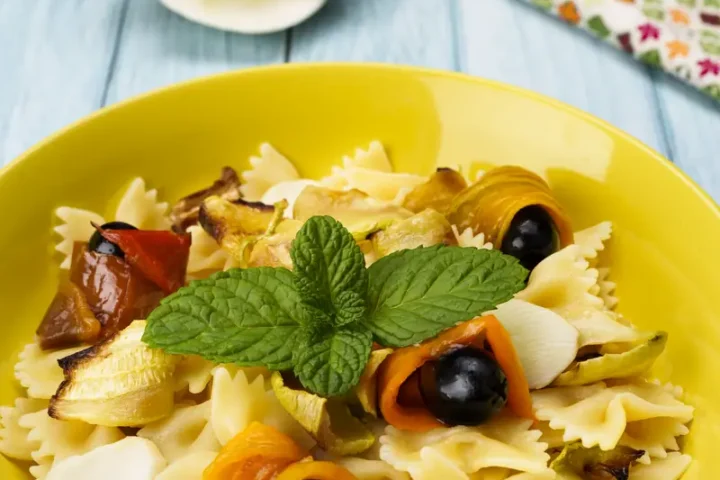
Cold farfalle with grilled vegetables and smoked scamorza
Cold pasta with purple aubergine, zucchini, and grilled Sweet Palermo peppers, black olives, basil, and smoked scamorza. It's ready in under an hour and is perfect for hot days.
Read the recipe →
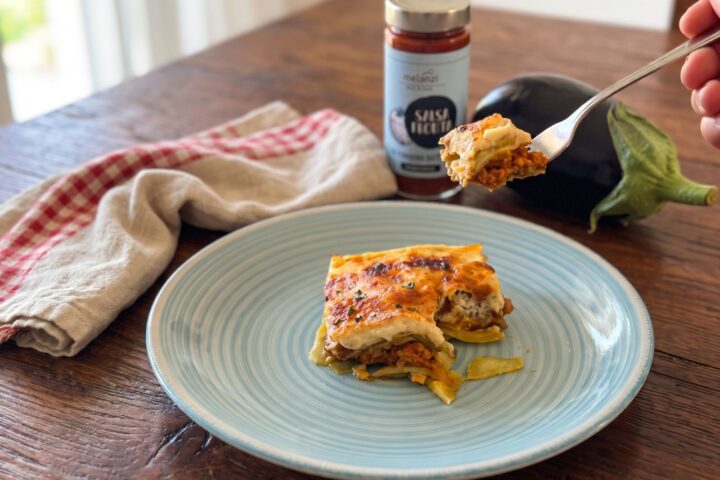
Moussaka with aubergine and potato
Oven-baked potatoes and aubergines, a meat sauce with cinnamon and oregano and a béchamel with egg yolk: layered moussaka, baked in a tin, for 4 people.
Read the recipe →
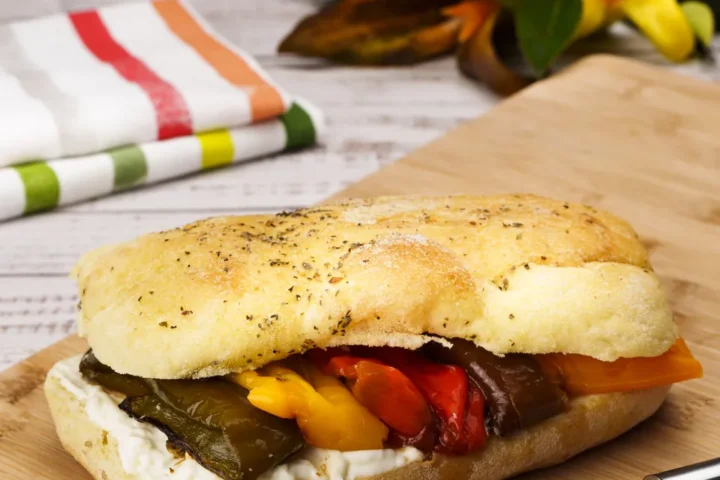
Panozzi with stracchino and Sweet Palermo
Toasted bread with stracchino cheese and strips of grilled Sweet Palermo peppers, seasoned with oil, salt and oregano. Serve hot as a starter or for a quick dinner.
Read the recipe →

Panini accapponati
Sesame rolls warmed on the griddle, with diced Ragusano cheese and a baked caponata of aubergine, celery, carrots, and cherry tomatoes. The name comes from the caponata filling.
Read the recipe →
The other aubergines
All our aubergines
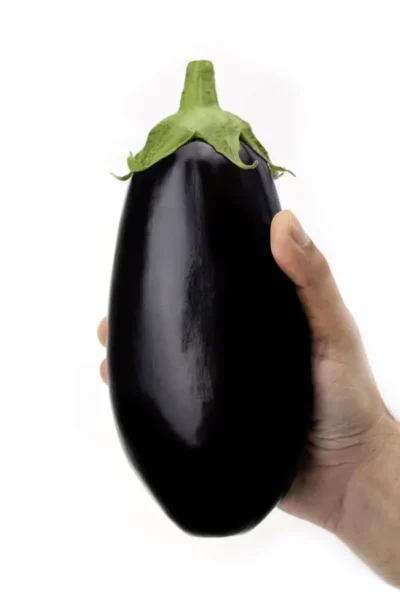
Round aubergine
Large and round, almost seedless. It has a pleasant flavour and is good for everything: try it in croquettes, even kids love it.
Croquettes
Parmigiana
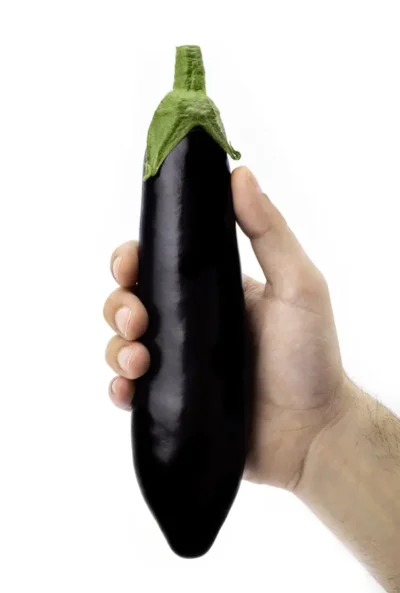
Long aubergine
Elongated shape and delicate flavour. The skin is easy to digest, so you can cook it with the skin on: stuffed aubergine boats, baked rolls.
Stuffed boats
Involtini
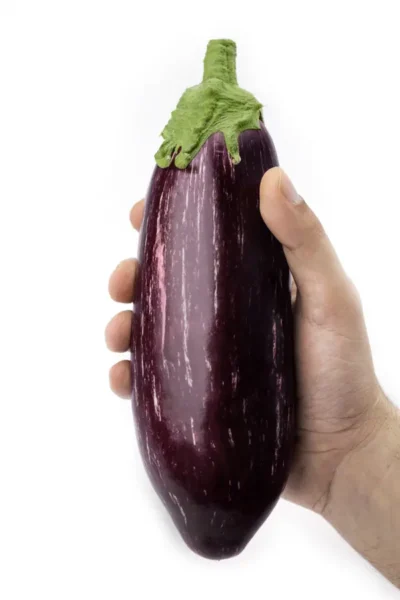
Striped aubergine
Soft and fleshy, with a sweet, delicate flavor. Some even use it in jams and ice cream.
Baked
Desserts
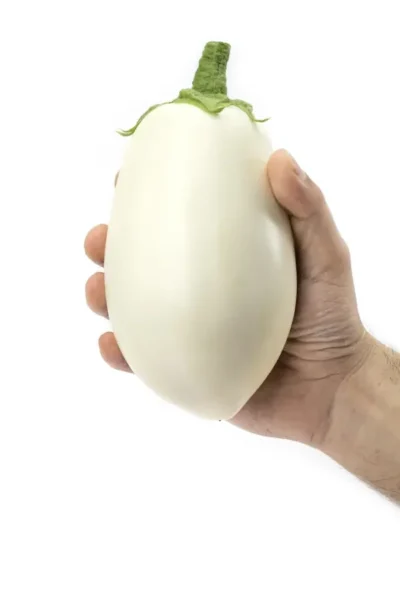
White aubergine
Pearly white skin, tender seedless flesh and a flavour with a slight spicy note. It absorbs little oil: excellent fried and in sauces.
Fried
Sauces